


 |
Showing posts with label Asmaa Abd ELsabor. Show all posts
Showing posts with label Asmaa Abd ELsabor. Show all posts
Sunday, 5 April 2015
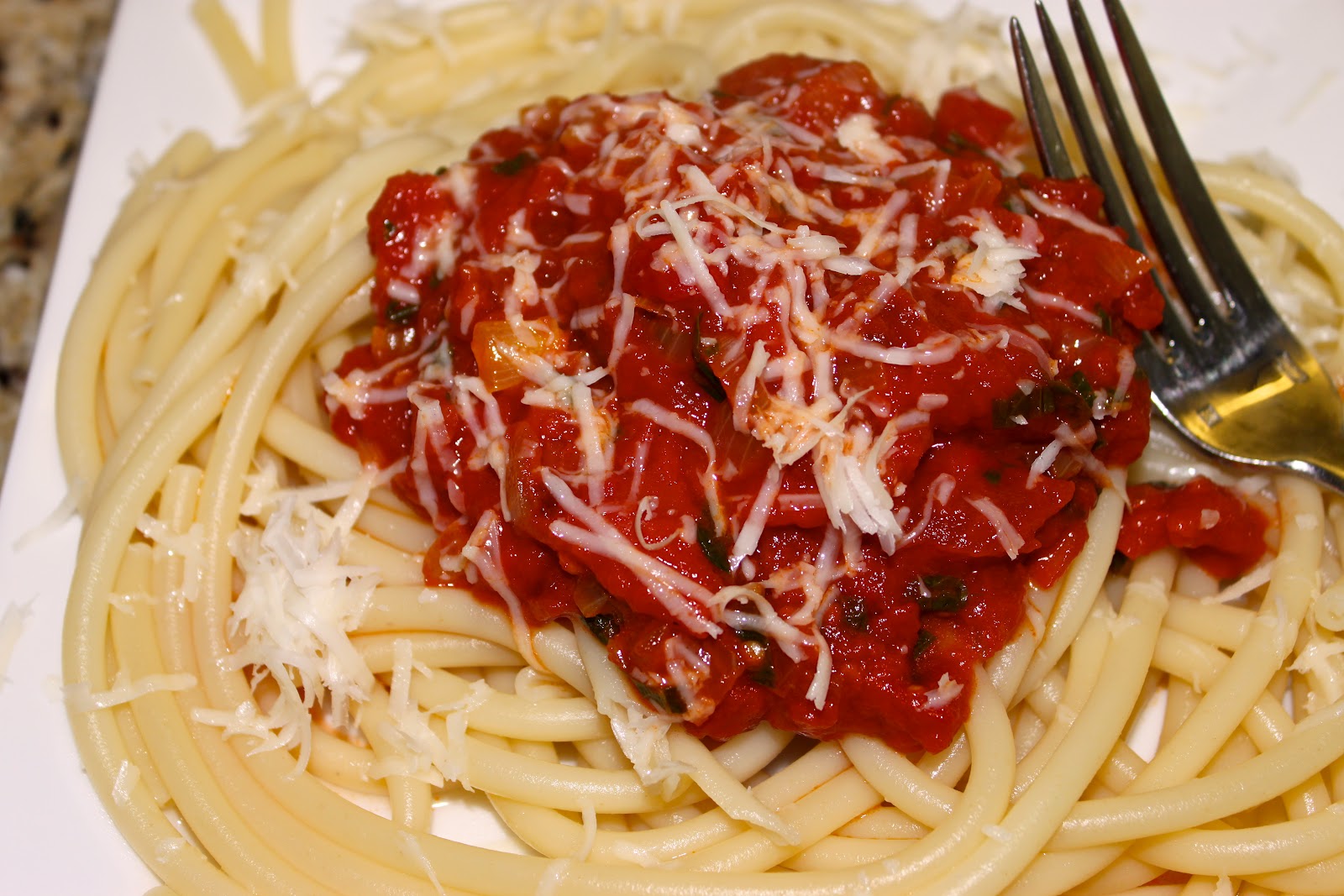
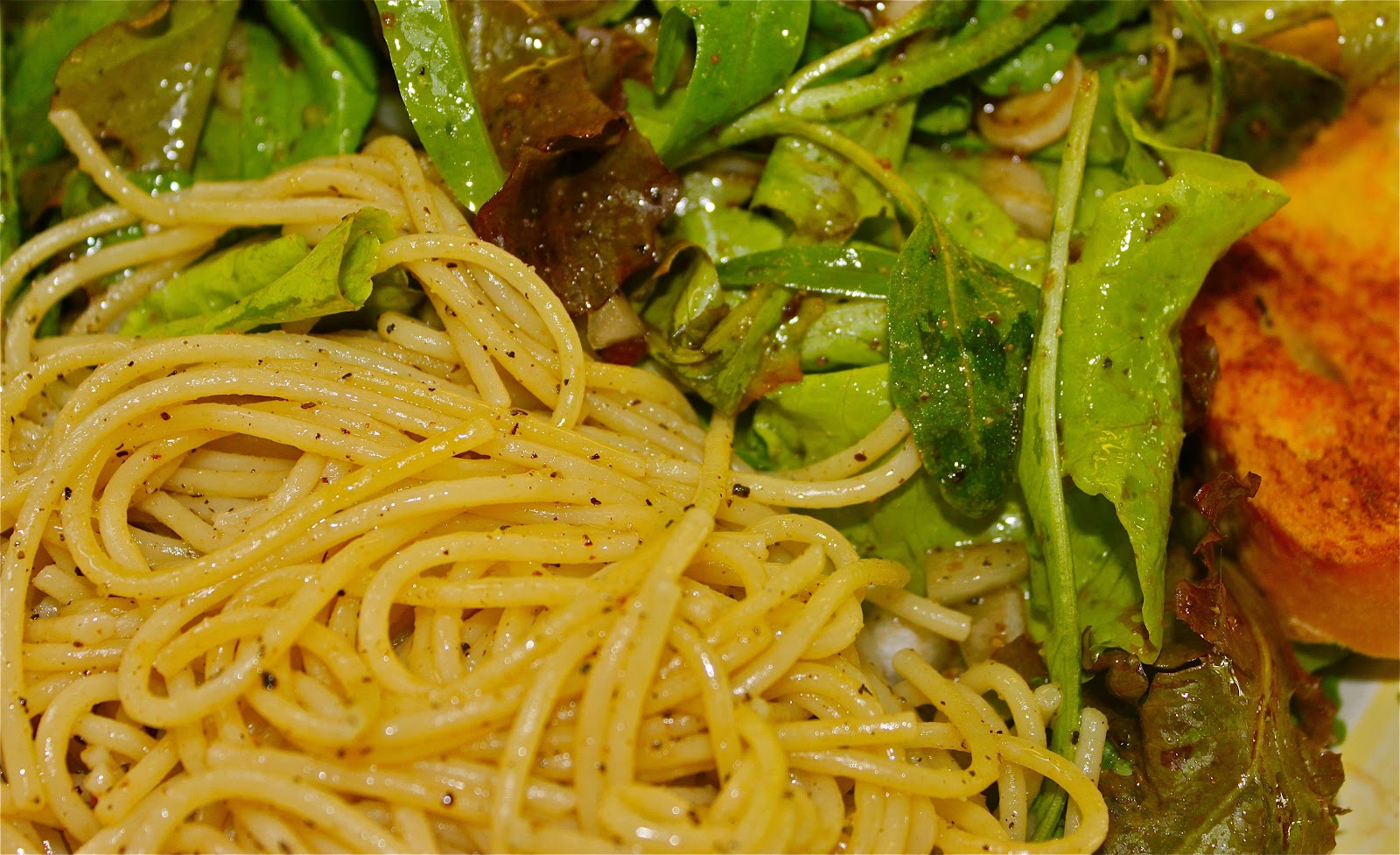
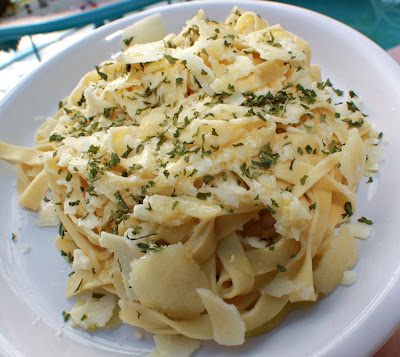
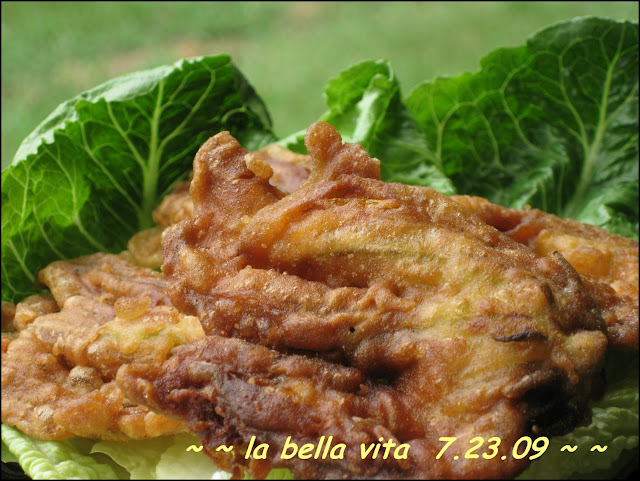
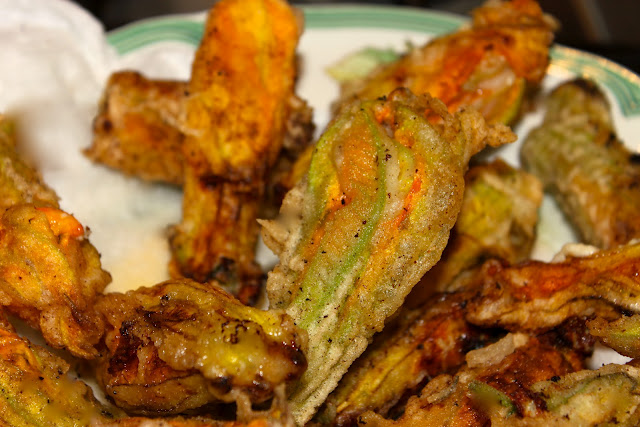
Foods of Rome
The beautiful Trevi Fountains where one throws coins to see if a return to Italy is in the future!
the famous Roman Colliseum
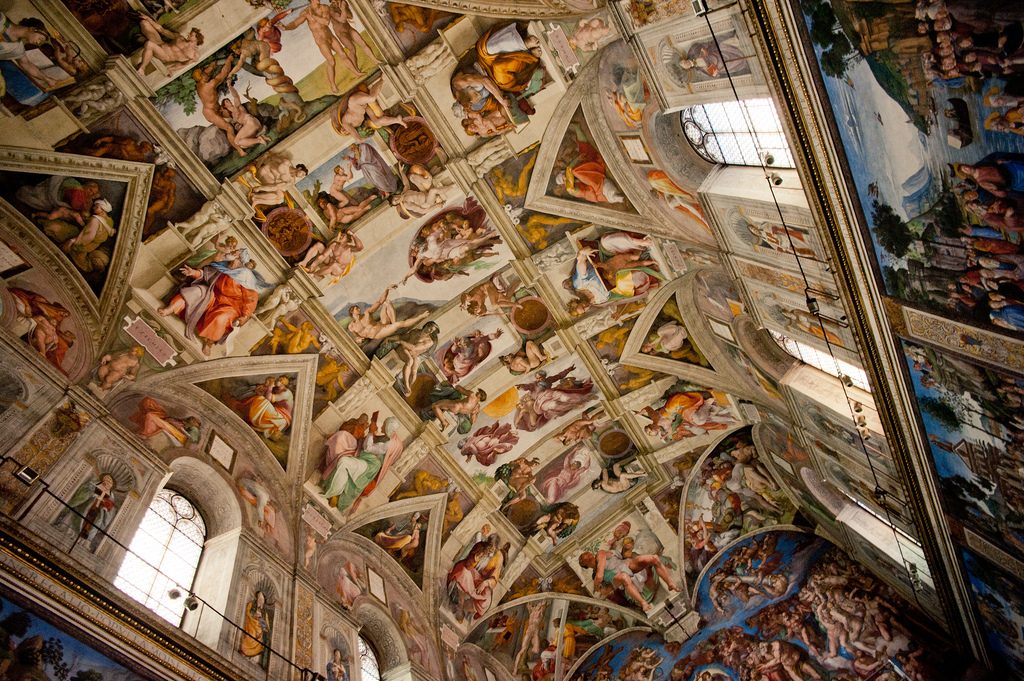
One is breathless and speechless viewing this incredible masterpiece from 100’s of years ago painted by Michaelangelo. Words simply cannot describe it or the experience of viewing it!
Top 10 Attractions In Barcelonaaaaaaaa ;)
Barcelona Top Ten Attractions and Top Things to see in Barcelona 2015. Read our popular and recommended guide to Barcelona's Top Ten Tourist sights. As local residents and guides we recommend them as 10 best sights and the "must-see" top Barcelona attractions. Further down this page you can find a map of Top 10 Tourist Attractions. Find visitor tips and follow the blue links below for pictures, map locations, address, visitor tips and Barcelona tour recommendations. You might also like our guide to How to plan a 3 day visit to Barcelona and our hotel guide with tips for choosing the best area to stay in Barcelona
Welcome to Barcelona and we hope you enjoy your stay!
Number 1 - La Sagrada Familia church
La Sagrada Familia unfinished church by Antoni Gaudi

Number 1 Barcelona Top Ten Tourist Attractions list is the fabulous, but still unfinished church of La Sagrada Familia designed by Antoni Gaudi. This very unusual construction is Barcelona's most famous and most visited tourist attraction. It is free to see from the outside but going inside is another matter. La Sagrada Familia welcomes over 3 million visitors a year, so expect long queues to get inside. A good tip is to book tickets in advance to skip the lines. See how below. How long to visit? From the outside it takes about 30 minutes to see. The inside of the Sagrada Familia church takes longer. You might have to queue for 1 hour or more for tickets - and then you will need 1 or 2 hours inside to see it all. But it's worth it. This unfinished basilica is one of the most famous buildings in the world and a top must-see sight in Barcelona. It was designed by famous Catalan architecht Antoni Gaudi over 100 years ago and the foundation stone was laid in 1882, when the surrounding area was just fields. The splendid Sagrada Familia interior was opened to the public in 2012. The outside is still being built and was at 65% completion in 2013. Only 8 towers of the 18 spires are finished. The plan is to complete the Sagrada familia church in 2026 to celebrate the 100th anniversary of Gaudi's death in 1926. When finished it will be 144 years since construction began. See a YouTube video animation of how Sagrada Familia will look when finished Gaudi knew that it would take a long time to finish the temple and he famously once said, "My client is not in a hurry!" Gaudi died tragically in 1926 after being hit by a tram. At the time only the nativity facade was completed. Visit the Sagrada familia on a hop-on-hop-off bus tour or take the metro to station Sagrada Familia. See map
Visitor tip: Beat the 1 hour long queues to get inside by buying tickets in advance.
Buy Skip-the-line Tickets Sagrada Familia Barcelona
g(18672508)a(1673026)&container=blogger&gadget=a&rewriteMime=image%2F*)
Opening times and ticket prices Sagrada Familia 2015:
Basilica only €15 - Basilica and Towers €19.50
Generally open all year, but can be closed for certain services and special religious events.
Number 2 - Magic Fountain show
The Magic Fountain of Montjuic music and light show

Number 2. The Font Mágica Fountain. The Magic Fountain is a "must see" Barcelona attraction. You have never seen a fountain like this. It really does feel magic to experience the beautiful show of water, light and music. The Magic fountain was built in 1929 as one of the main attractions for the Barcelona World Fair and the Font Magica is still one of the most famous spots in Barcelona with an estimated 2.5 million visitors annually. There are water and light shows in the summer from Thursday to Sunday and admission is free. See show times below. Please note that sometimes due to exhibitions and events access to the fountain can be closed. Visit the Magic Fountain by metro to station Espanya.
Magic Fountain winter show times
From 1 October until 30 April
Friday and Saturday: shows from 7pm to 9pm
Sunday to Thursday: closed - no shows
Admission free.
Magic Fountain summer show times from May:
Monday to Wednesday: no shows
Thursday to Sunday: show every 30 mins from 9pm to 11.30pm Last show starts 11pm
Number 3 - Picasso Museum Barcelona
Picasso Museum. Permanent collection of Picasso's early years in Barcelona

Opening times and ticket prices Picasso museum
Closed Mondays except public holidays
Ticket price 2015: €11
Number 4 - Las Ramblas street
Las Ramblas – Barcelona's most famous walking street

Number 4. La Rambla is another must-see. Also called Las Ramblas The Spanish poet Federico García Lorca said about La Rambla, "It is the only street in the world which I wish would never end." La Rambla starts at Plaza Catalunya and ends at the Monument of Columbus at the Port Vell harbour of Barcelona. La Rambla it is not a spectacular sight, but very pleasant to stroll down and enjoy the human heartbeat of Barcelona. If you have not strolled down it, you cannot say you have been in Barcelona. Also called Las Ramblas as it is really a collection of various stretches of street with different names. During the day and early evening completely safe and free to visit. However, be careful of pickpockets on La Rambla and in the Metro stations nearby. In the early hours of the morning 2 - 4am be wary on lower part of La Rambla near the harbour. Always open and free. >
Visitor Tip. Keep a hand on your bag at all times and wear your backpack on your front to avoid pickpockets.
Number 5 - FC Barcelona museum & Camp Nou stadium
FC Barcelona Camp Nou Stadium and Barça museum
 If you can see Barça play a home match, then that is the best Camp Nou experience but you the museum is worth a visit. The Camp Nou stadium and FCB museum are among the most popular attractions in Barcelona attracting millions of visitors a year. Camp Nou has the one of the largest Nike stores in Europe packed with Barca merchandise. Unmissable for football fans. Visitor tip. You can buy cheaper FCB shirts and scarves at market stalls outside the stadium on match days.
Opening times and ticket prices Camp Nou
Open daily
Admission €23
Number 6 - Barrio Gotico area of Barcelona
Barrio Gotico - Gothic quarter of Barcelona's medieval city

Number 6. The Barrio Gotico gothic quarter is the medieval city of Barcelona from the middle ages. It grew around the old Roman town of Barcino which is the oldest part of Barcelona. The gothic part of the city has many beautiful churches, plazas, markets and museums and you can see parts of the old Roman walls. If you visit the Barcelona history musuem - Museu d'Història de la Ciutat - you can see remains of Roman houses and streets of Barcino in Roman times under the museum. The gothic quarter is free to visit and best seen on foot because tour buses cannot get through the narrow streets. There are no dangerous areas in the Gothic quarter, but be aware of Barcelona pickpockets. Also worth visiting is the neighbouring medieval area of Barcelona's old city called El Born.
Number 7 - Modernist Park Guell by Gaudi
Park Guell – Gaudi's modernist park on Carmel hill overlooking Barcelona

Number 7. Parc Guell by Antoni Gaudi. Parc Guelli is a UNESCO World Heritage Site and is considered to one of Gaudi's most artistic works. Parc Guell is a Barcelona top attraction and definite must see. The park is on Carmel hill so seeing this attraction means quite a long and uphill walk if you take the hop-on-hop-off bus or metro station Vallcarca. If you prefer not to walk, then take a taxi to the Park Guell front gate. The original idea of Park Guell was to build a private and exclusive residential garden village with 60 houses. This business idea didn't work and in 1923 the park was donated to Barcelona´s city council for as a public park.
Opening times & ticket prices Park Guell
Open daily all year
Admission fee €7 to enter Park Guell Monument area.
Number 8 - Modernist buildings
Modernist buildings in Barcelona

Number 8. Modernist buildings Barcelona. Modernisme was a Catalan cultural movement centred in Barcelona and Catalonia from 1888 to 1911. It is most famous for its architectural expression in particular the many works of Antoni Gaudí. There are a handful of modernist buildings in Barcelona that are outstanding. Three of them are in the one Barcelona city block called the “Illa de la Discòrdia” - the "Block of Discord" on the street Passeig de Gracia. They are "Casa Amatller" designed by Josep Puig i Cadafalch, the magical "Casa Batlló" by Antoni Gaudi and the "Casa Lleó-Morera." A little further up the street Passeig de Gracia on the opposite site is one of Gaudi's most famous buildings in Barcelona named "Casa Mila" - and nicknamed "La Pedrera" (the Quarry). which is pictured above. In the summer months you can enjoy rooftop terrace jazz concerta at La Pedrera. Sadly for visitors in 2014 Casa Mila facade is covered for cleaning and restoration, but you can take a Pedrera guided tour, see exhibitions and have a coffee or drink in the Casa Mila cafe on the first floor. At Casa Batllo you can tour the builiding and also enjoy summer concerts in the modernist courtyard. Another modernist treasure is the beautiful Palau Guell town house near Las Ramblas, also by Antoni Gaudi. For modernist art and furniture visit to the Barcelona Modernist museum. A popular way to see top modernist buildings is on foot on Passeig de Gracia or by taking hop-on-hop-off tourist buses. Nearst Metro stations Passeig de Gracia or Diagonal
Opening times and ticket prices
Admission price Casa Mila €20.50
Admission price Casa Batllo €21.50
Admission price Casa Amatller €10
Admission price Palau Guell €12
Number 9 - Montjuic hill and Poble Espanyol Spanish village
Montjuic hill and Poble Espanyol Spanish Village on Montjuic hill

Opening times and ticket prices
Montjuic castle open daily all year
Admission price: €5
Poble Espanyol village open daily all year
Admission price: €11 which includes audio-guide
Number 10 - Tibidabo hill
Tibadabo hill, Sagrat Cor church & Tibidabo amusement park

Number 10. A visit to Tibadabo is a fun thing to do in Barcelona and great for kids. The views of Barcelona are fantastic and there is a small and fun vintage amusement park at the top, which is open in the summer from March to September. You can reach the top of Tibadabo via a vintage Blue Tram which connects to a mountain railway, Or take the bus from the Plaza Catalunya directly to Tibidabo. The fun-fair is closed in winter, open at weekends in spring and autumn and generally open from Wednesday to Sunday in summer, but check before visiting. The Skywalk where you can enjoy views of Barcelona is free and open all year except a few weeks in February for annual maintenance. The Sagrat Cor church at the top of Tibidabo is open all day and is free to visit. Visit by bus or by tram/mountain train and
Opening times and ticket prices
Tibidabo amusement park opening times
General ticket price: € 28.50
Children under 1,2m €10.50
Children under 90cm FREE.
Skywalk views of Barcelona open all summer: free.
Barcelona Tourist Guide "The Easy Way To Plan Your Trip"
All the essential Barcelona tourist guide and travel information to arrange your trip is on this one website. barcelona-tourist-guide.com was born out of a personal love for the city and a desire to share 20 years worth of knowledge of Barcelona Spain with you. In doing so, we've concentrated on answering your most important questions on transport, activities and attractions, and accommodation.

Be inspired by the stunning Sagrada Familia Basilica.
In addition to essential Barcelona tourism information, you will also find dozens of time and money saving tips from local people - information hard to find anywhere else. These special tips will make your Barcelona city break that much more special.

Take a behind the scenes tour of FC Barcelona's Camp Nou Stadium.
To help you find your answers as quickly as possible your Barcelona tourist information has been grouped into 2 main categories:
1) If you've already made your decision to come to Barcelona then I recommend you go to the top of the page and type in your question into the search bar. This search bar will search every page on our site (of which we have several thousand pages) and present you with the answers to your questions. This is the single quickest and easiest way for you to find answers to your questions. Alternatively you can search through our menu on the left hand side. Please be aware however that we have many more thousands of pages that we can't put links to on the left menu and you are more than likely going to miss what you are searching for this way.

Experience traditional Catalan dancing (Sardana Dancing) near Barcelona Cathedral square.

Enjoy a bird's eye view of Barcelona at Tibidabo mountain.
2) If you need help in making your decision whether Barcelona is the right destination for you we recommend you visit our photo Barcelona map that has over 500 photos of the top Barcelona tourism attractions linked directly to the map. Using the interactive map will show you first hand the most important landmarks and attractions - it's almost as if you were walking around the locations for yourself. I've also included guide notes to give you information on each of the sites and areas.

Relax at one of Barcelona's beach bars.
This Barcelona tourism and travel information is updated daily and includes money and time saving tips from people living in Barcelona city so check back frequently for valuable updates.
Traditions And Habits In Spain
Social customs in Spain
traditions and habits
All countries have their own particular social customs and Spain is no exception. As a foreigner you will probably be excused if you accidentally insult your host, but you may not be invited againShare on Facebook
‘Hi’ or ‘hello’ ( ¡hola!) is used among close friends and young people, often accompanied by ‘how are you?’ ( ¿qué tal?) or ‘what’s new?’ ( ¿qué hay?). In more formal language, ‘how are you?’ is ¿cómo está usted?, to which the reply is usually ‘fine, thank you, and you?’ ( muy bien, gracias, ¿y usted?). A common reply when being formally introduced is ‘delighted’ ( encantado/a). Elderly friends are often addressed as ‘male’ ( don) and ‘female’ ( doña), followed by their Christian name (considerable courtesy and respect is shown to women and the elderly in Spain). When someone thanks you ( gracias), it’s polite to reply ‘it was nothing/you’re welcome’ ( de nada). When talking to a stranger it’s polite to use the formal form of address ( usted) and not the familiar form ( tú) or someone’s Christian name until you’re invited to do so. However, nowadays the tú form is much more widely used and ustedis reserved mainly for business and when addressing older people.
Kissing in Spain:
Male and female acquaintances kiss each other, usually on both cheeks. If a lady expects you to kiss her she will offer her cheek. The ‘kiss’ is deposited high up on the cheek, never on the mouth (except between lovers), and isn’t usually really a kiss, but a delicate brushing of the cheeks. Close family and male friends embrace.
Talking on the phone:
You should introduce yourself before asking to speak to someone on the telephone. Although the traditional siestais facing a battle for survival, it isn’t advisable to telephone between the siesta hours (e.g. 2 to 5pm) when many people have a nap. If you call between these times, it’s polite to apologise for disturbing the household.
Spanish surnames:
Family surnames are often confusing to foreigners, as the Spanish often have two surnames (possibly linked by ‘and’, e.g. y or i in Catalan), the first being their father’s and the second their mother’s. When a woman marries she may drop her mother’s name and add her husband’s, although this isn’t usual. Spanish children are usually named after a saint and a person’s saint’s day ( santo) is as important a celebration as their birthday (cumpleaños), both of which are occasions on which it’s traditional to entertain your family and friends.
Appointments in Spain:
If you have an appointment with a Spaniard don’t expect him to arrive on time, although being more than 15 minutes late is considered bad manners. If you’re going to be more than 15 minutes late for an appointment you should telephone and apologise.
The Spanish say ‘good appetite’ ( que aproveche/buen apetito) before starting a meal. If you’re offered a glass of wine, wait until your host has made a toast ( ¡salud!) before taking a drink. If you aren’t offered a (another) drink it’s time to go home.
Dressing style in Spain:
Spanish men and women are almost invariably well groomed and style and fashion are important, although they often dress casually. It’s advisable to dress conservatively when doing business or visiting government offices on official business. There are few occasions when formal clothes are necessary and there are very few dress rules in Spain (except in respect to places of worship). Spaniards consider that bathing costumes, skimpy tops and flip-flops or sandals with no socks are strictly for the beach or swimming pool, and not for example, the streets, restaurants or shops.
Subscribe to:
Posts (Atom)